CU Boulder – Sounding Rocket Lab
Hands-on propulsion work across a student-built solid rocket motor and a liquid engine & associated test stand. Roles included assembly, integration, electronics, sensor installation, and test operations.
Project Overview
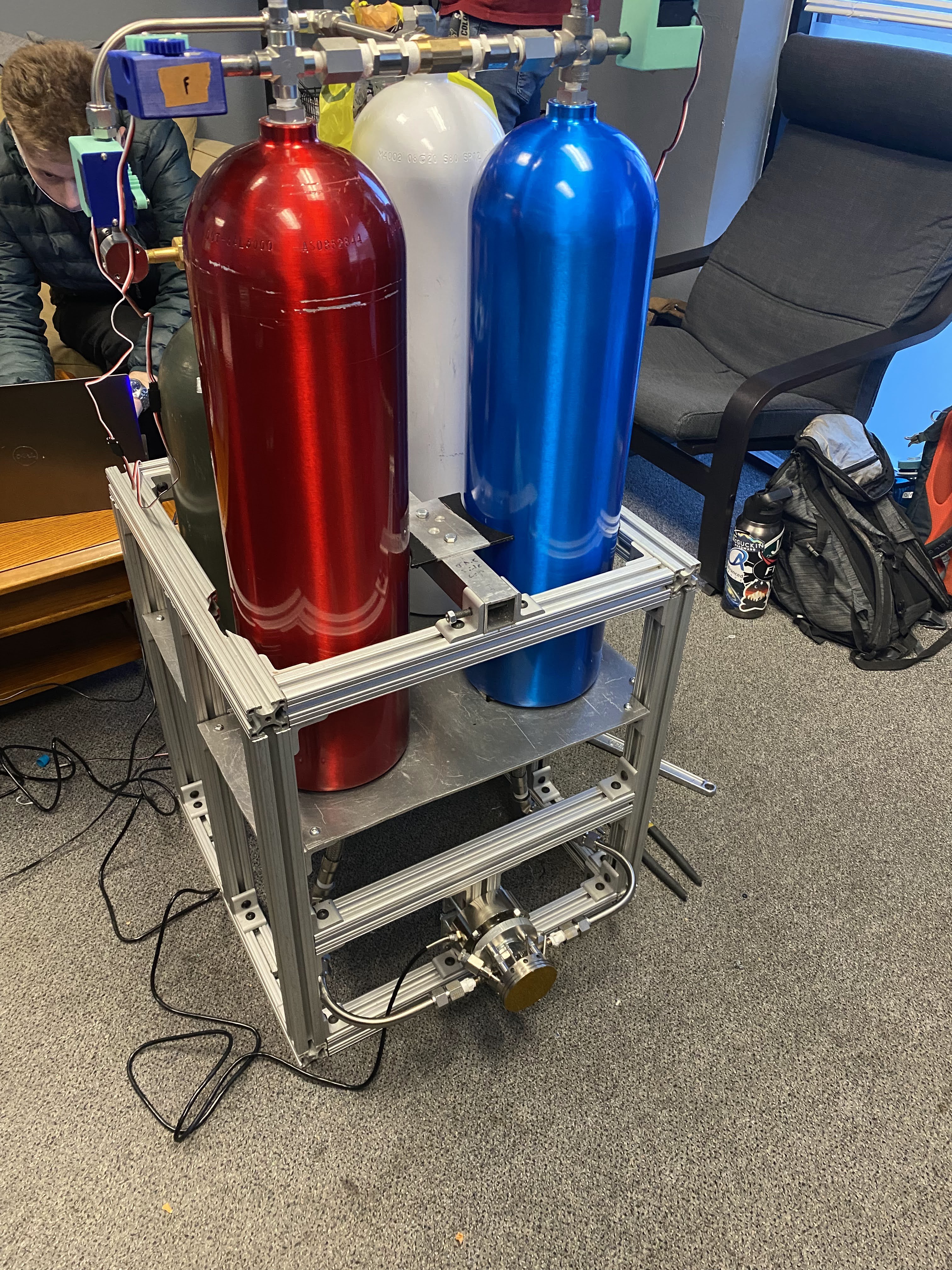
Scope
Work spanned two efforts: a student-built solid rocket motor (R-class) and a liquid engine development test stand (RP-1/LOX subsystems). I supported mechanical build, integration, sensor install, electronics/control system assembly, subsystem checkout, and test execution.
My Focus Areas
Solid: assembly & integration, proof-pressure setup, field operations, post-test failure documentation.
Liquid: RP-1/LOX plumbing and hardware build, injector & nozzle assembly,
capacitive sensor build
,
sensor installation, control electronics, and full stand integration.
Technologies & Tools
Solid Rocket Motor – Build, Test & Failure
Assembly & Integration
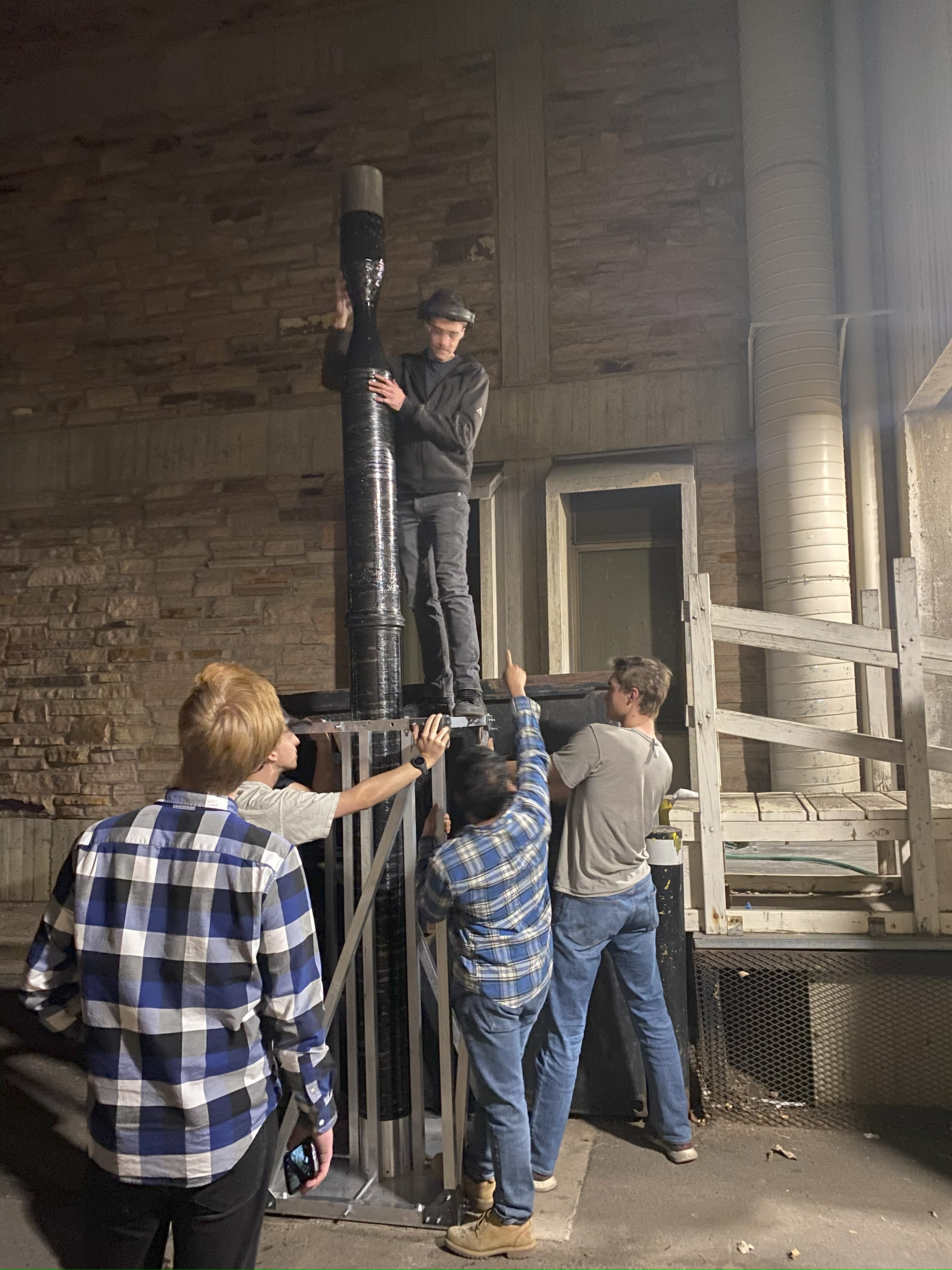
Build and assembly of a composite wound R-class motor. Assisted with the functional testing of the motor casing and prepared hardware for the field static fire test.
Test & Catastrophic Failure
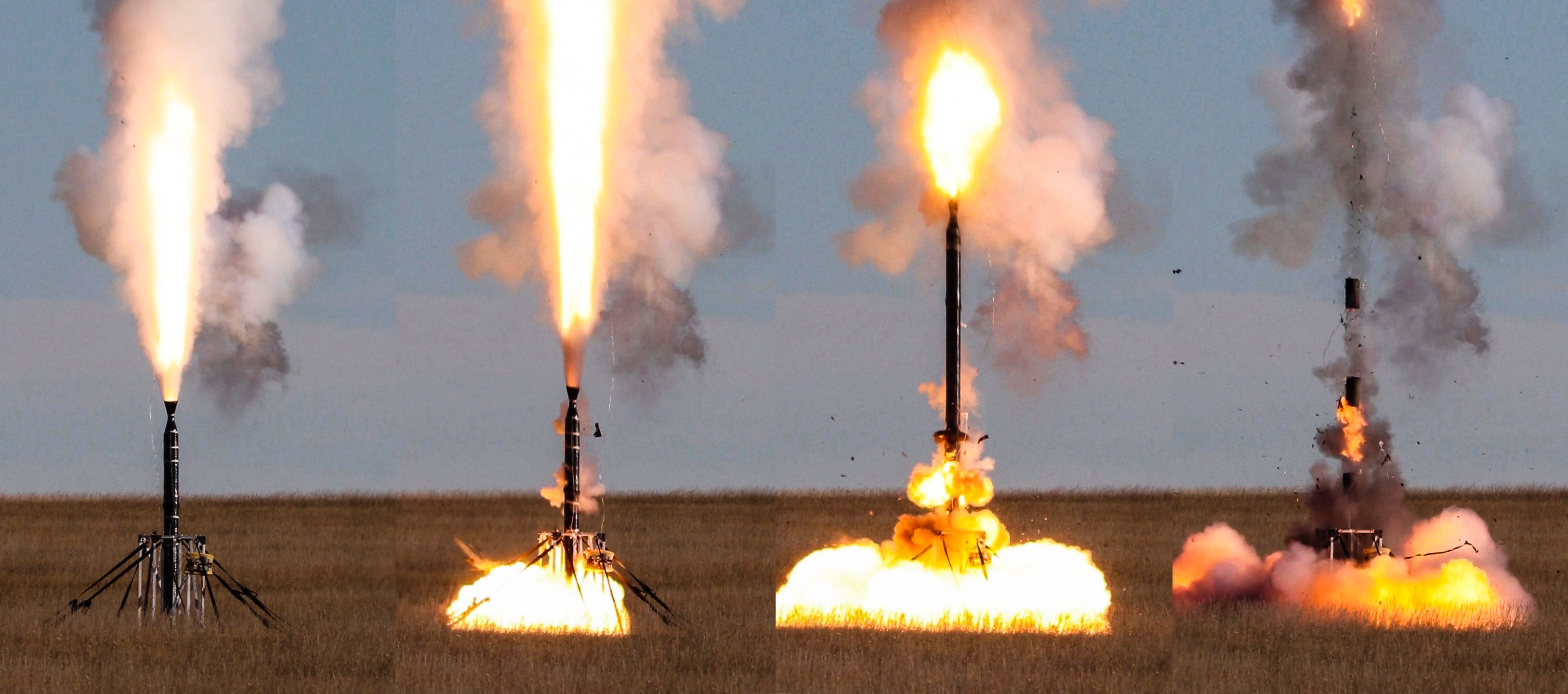
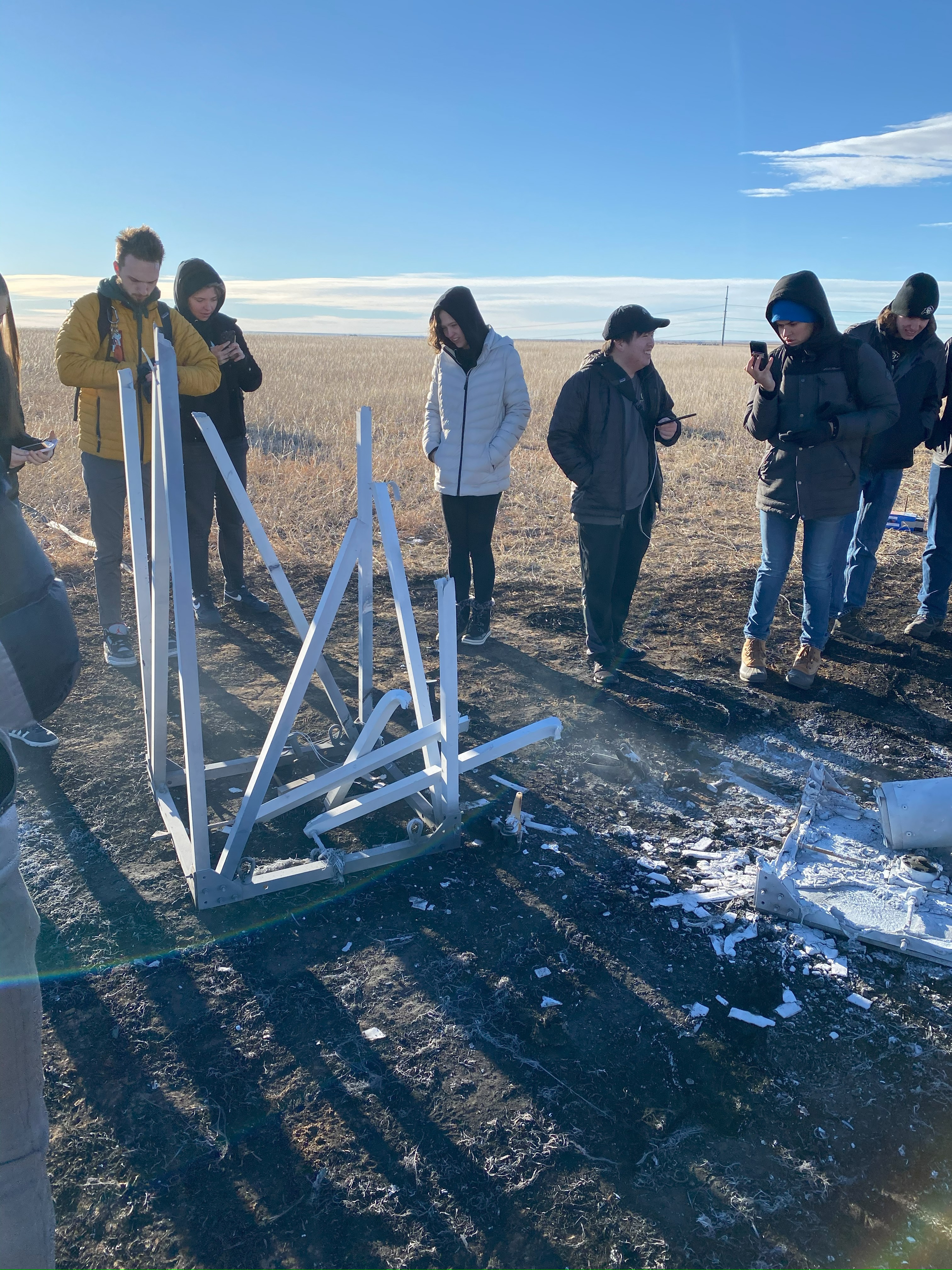
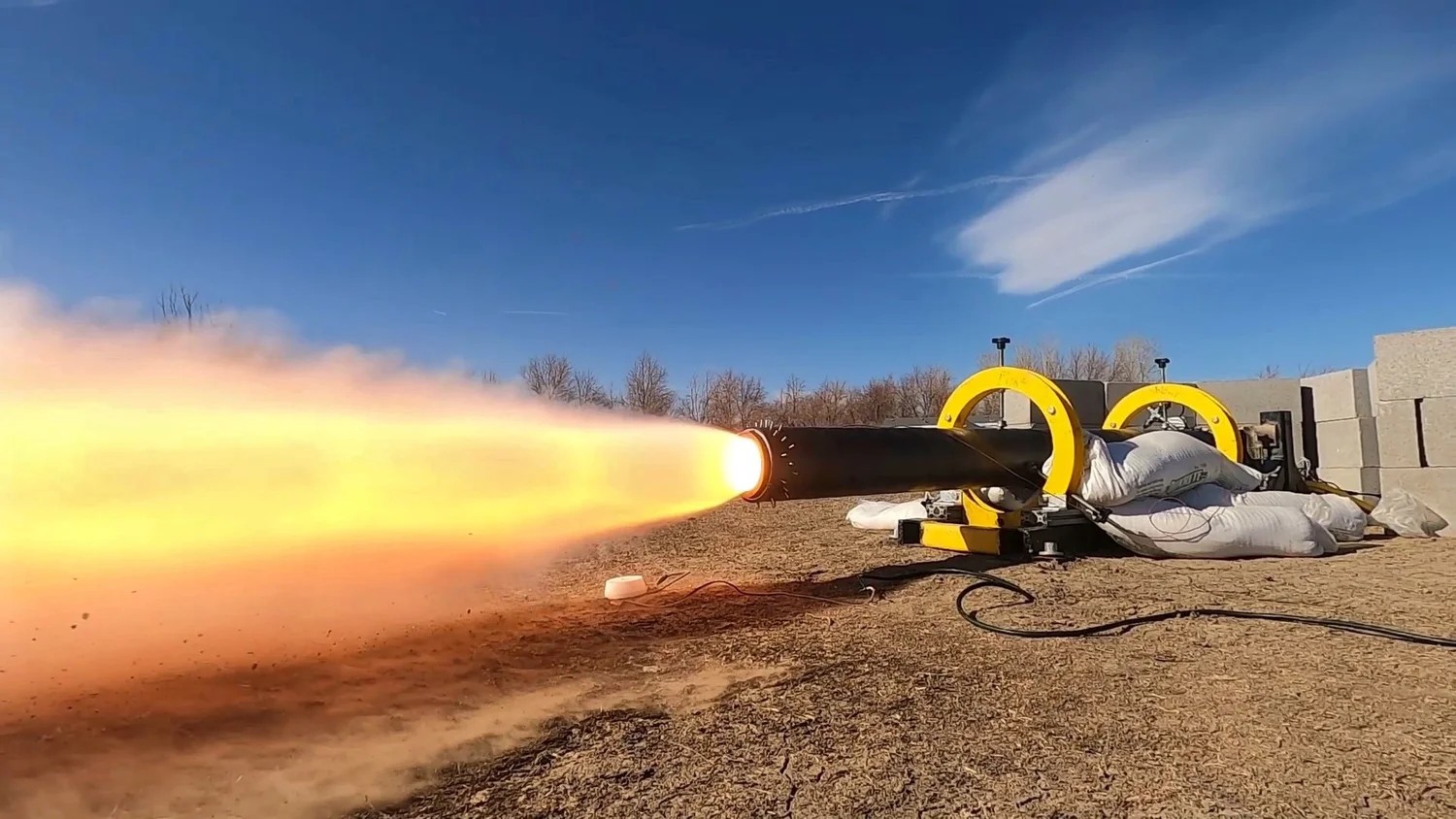
The R-motor was static fired in a field to validate propellant and casing manufacturing methods. During the static fire test, the porous propellant fractured and chunks of propellant obstructed the throat which resulted in a rapid pressure rise. The aft end of the motor sheared as the pressure exceeded burst pressure; the casing launched upward; partially burnt casings remained at the stand.
- Observed grain chunks exiting nozzle consistent with fracturing resulting in throat occlusion
- Melted/failed stand components resulted in difficult failure analysis post-test
- Root cause: propellant porosity → fracture → blockage → over-pressure
Outcome
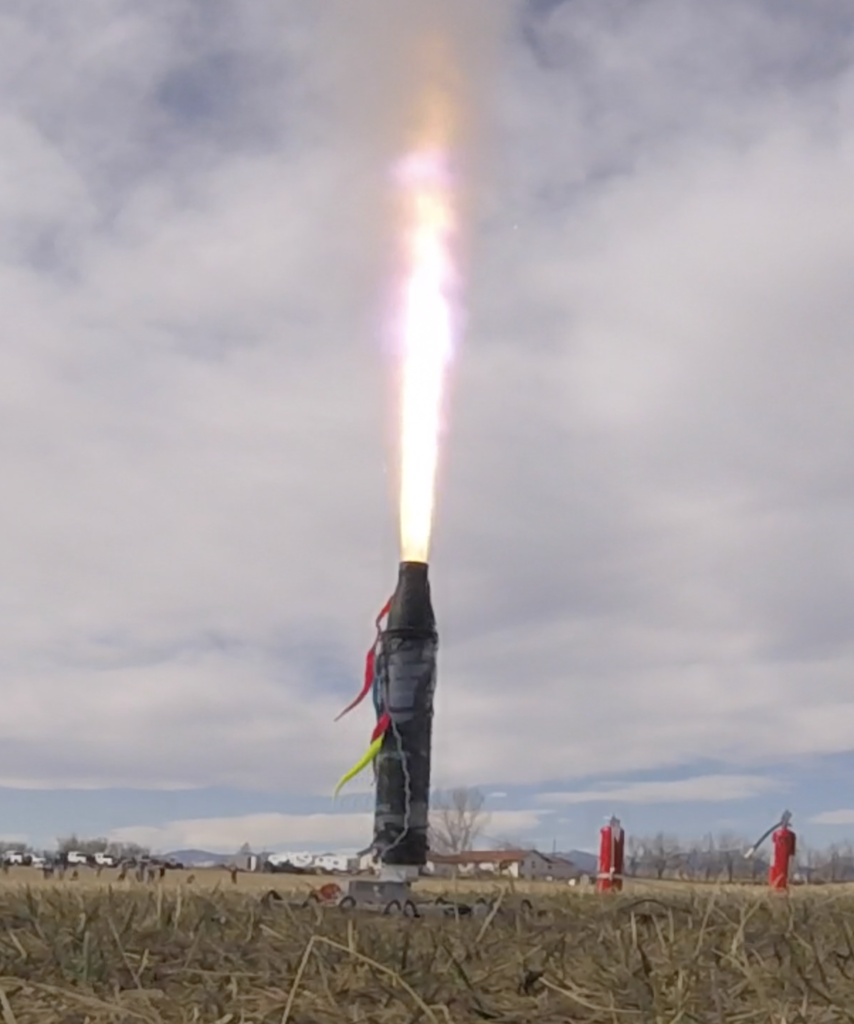
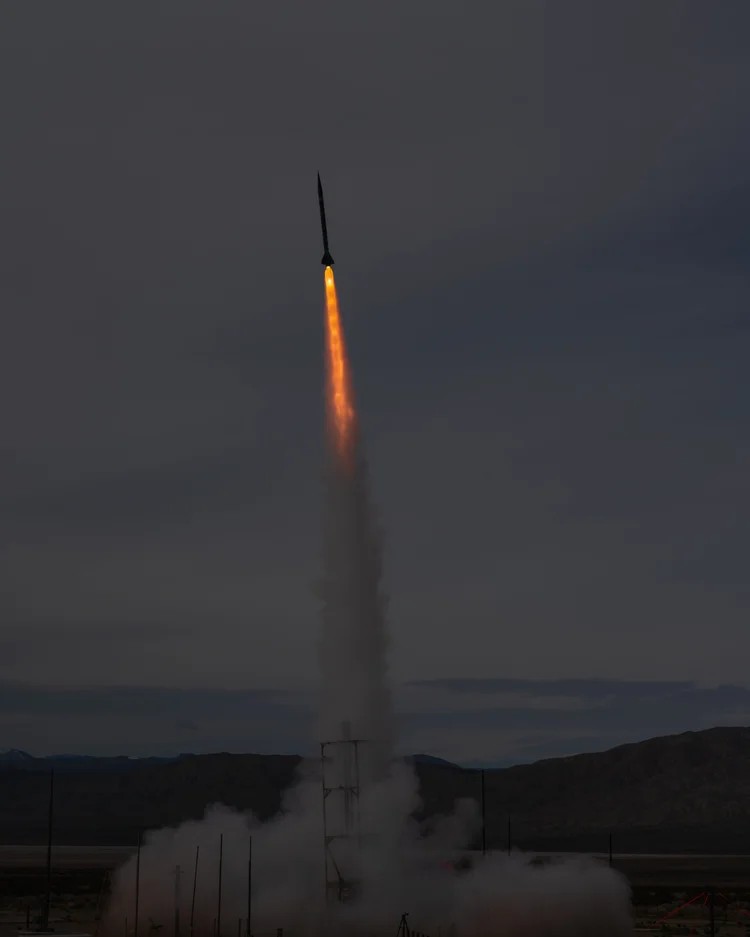
Following the explosion, work focused on firings of smaller solid motors to develop the propellant, grain structures, and nozzle development to prevent burn-through. This work continued following my time on the team, but culminated in a successful launch of the "Mamba" rocket flying on a Q-class motor, which broke the record for highest thrust SRM produced by a student team and reached an altitude of 89,000 ft in 2025.
Liquid Engine Development – RP-1/LOX
Propellants
Fuel: RP-1
Oxidizer: Liquid Oxygen
Hardware
Stand: Engine integration, mounting, access
Tooling: Jigs/fixtures for component manufacturing
Electronics: Control system build-up & harnessing
Sensing
Instrumentation: Pressure, temperature, flowrate, thrust, voltage, current, valve positions
Install: Sensor mounting, wiring, and tube routing
Checkout: Functional check of control system, abort mode contingency, and leak checks
Capacitive Sensor
Build: Capacitive sensor development and integration
Reference: See dedicated page for LOX/RP-1 propellant level sensing
Test Stand Work – Integration & Checkout
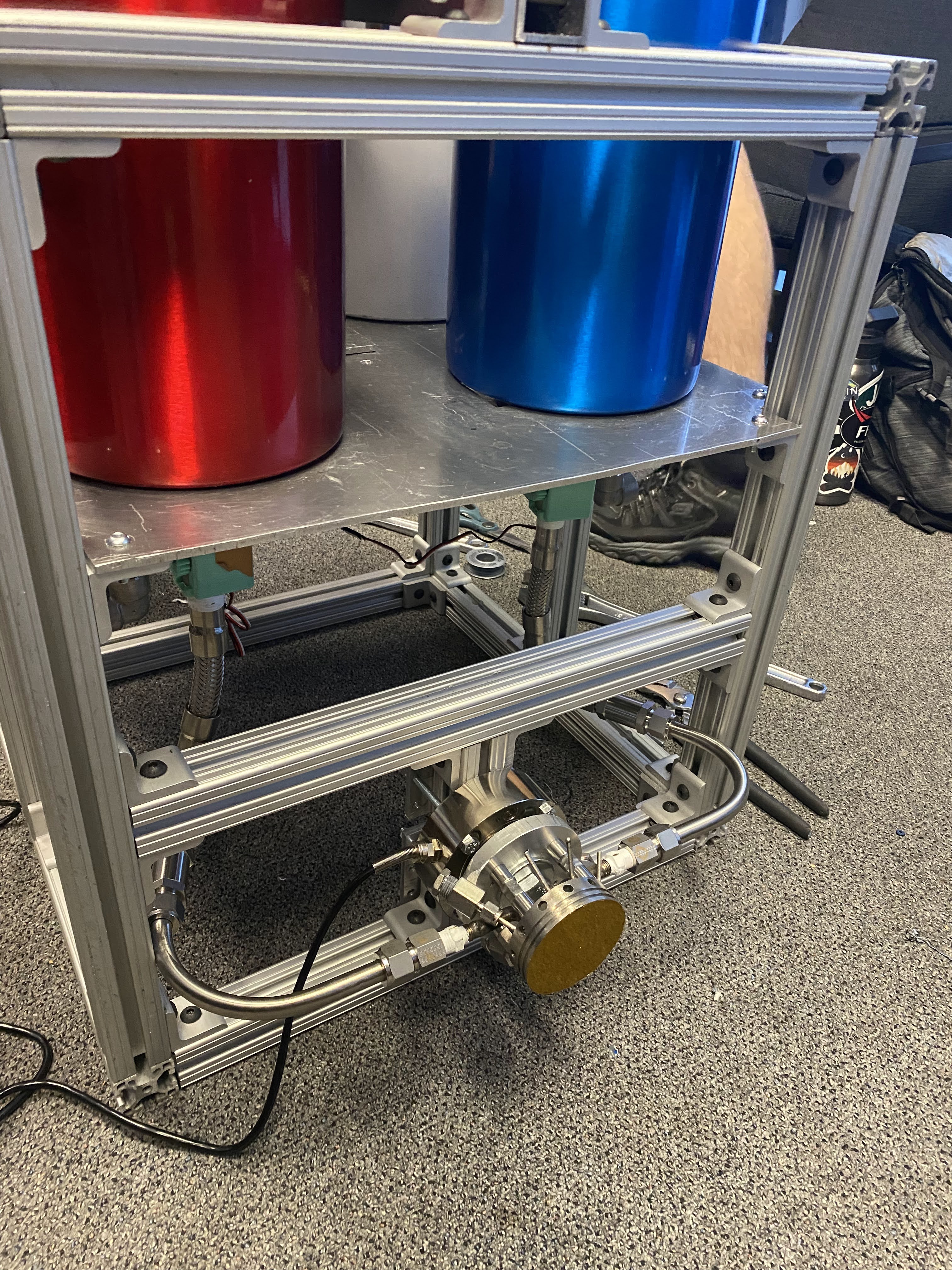
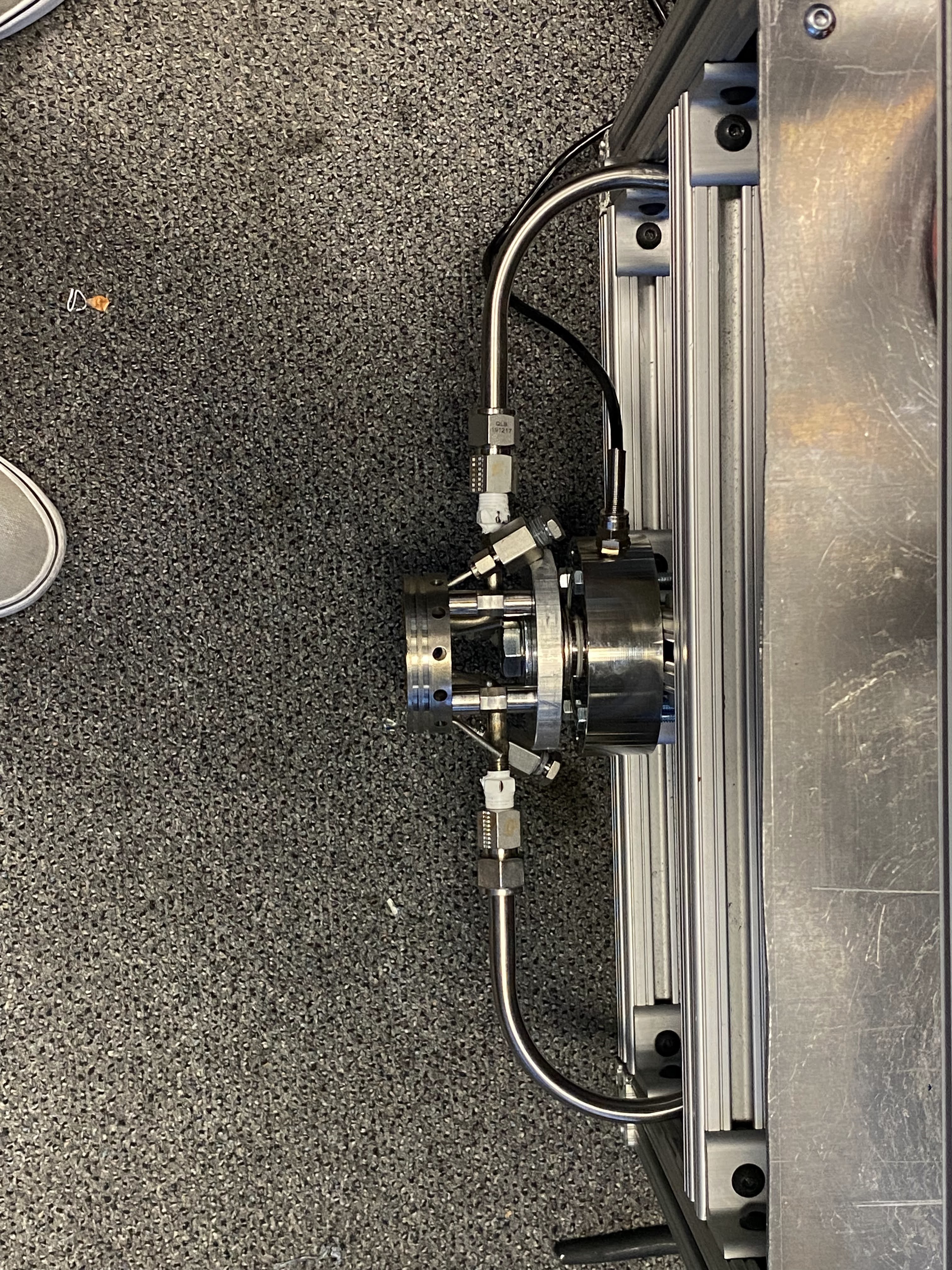
Integrated engine components onto the stand, routed RP-1/LOX lines, installed sensors, and brought up the control electronics. Performed water flow runs for system validation.
Injector / Engine Design Work
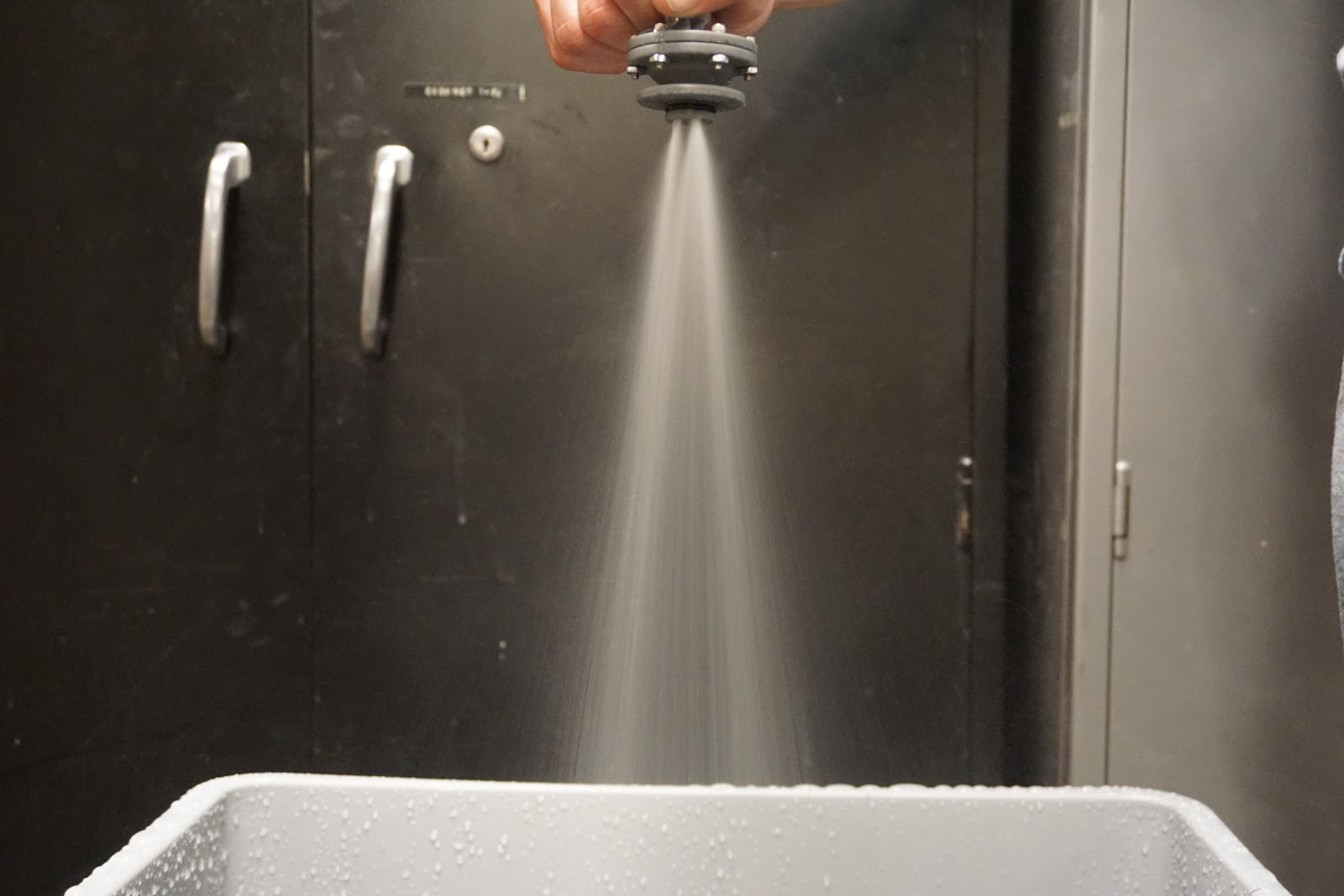
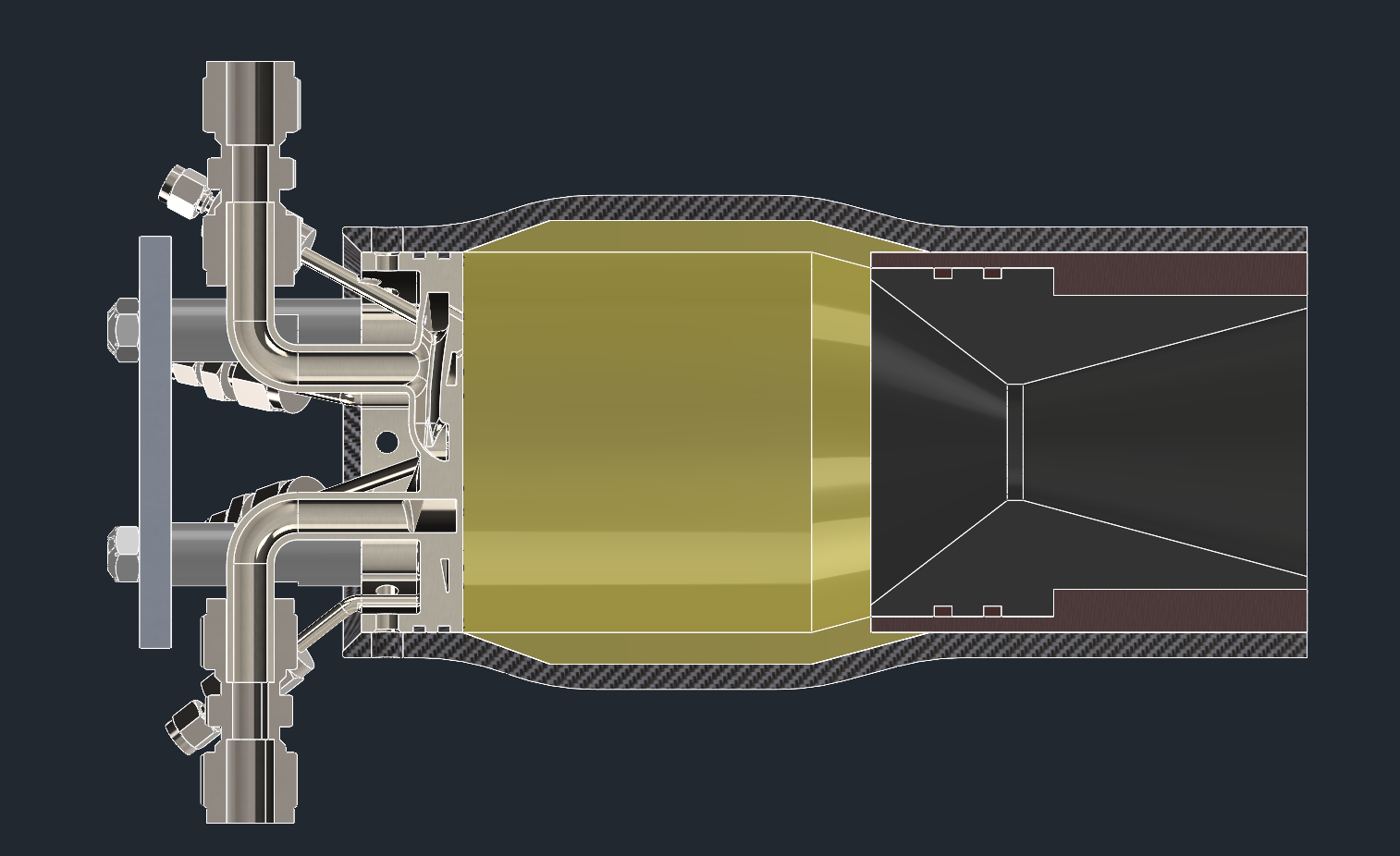
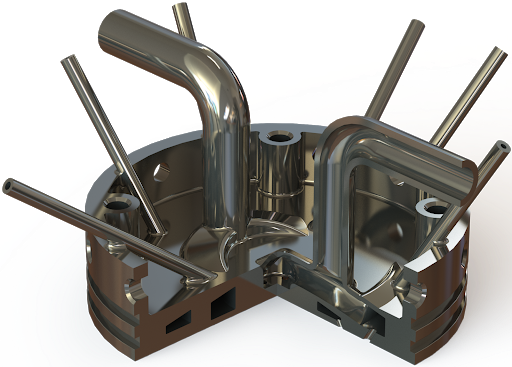
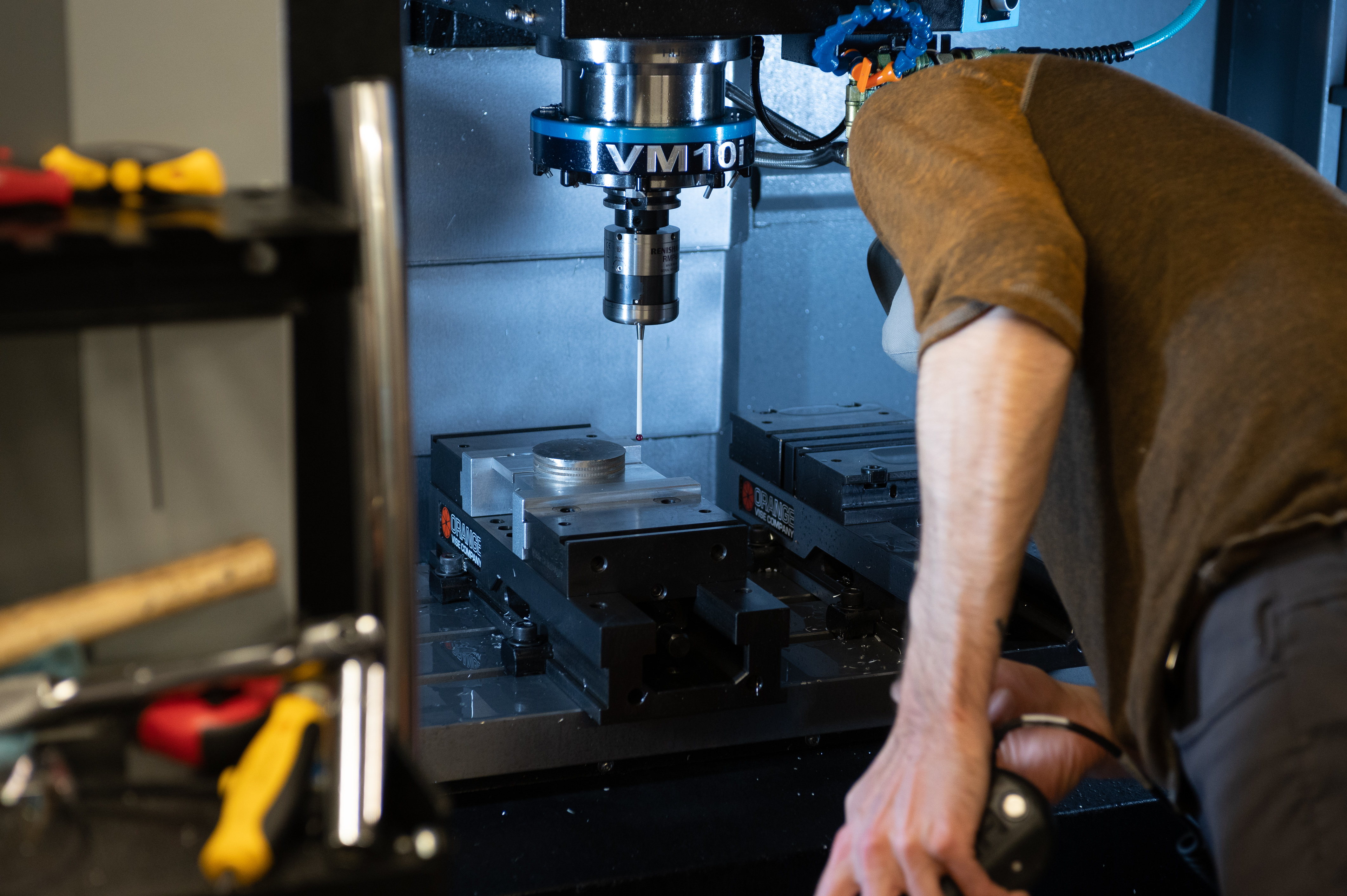
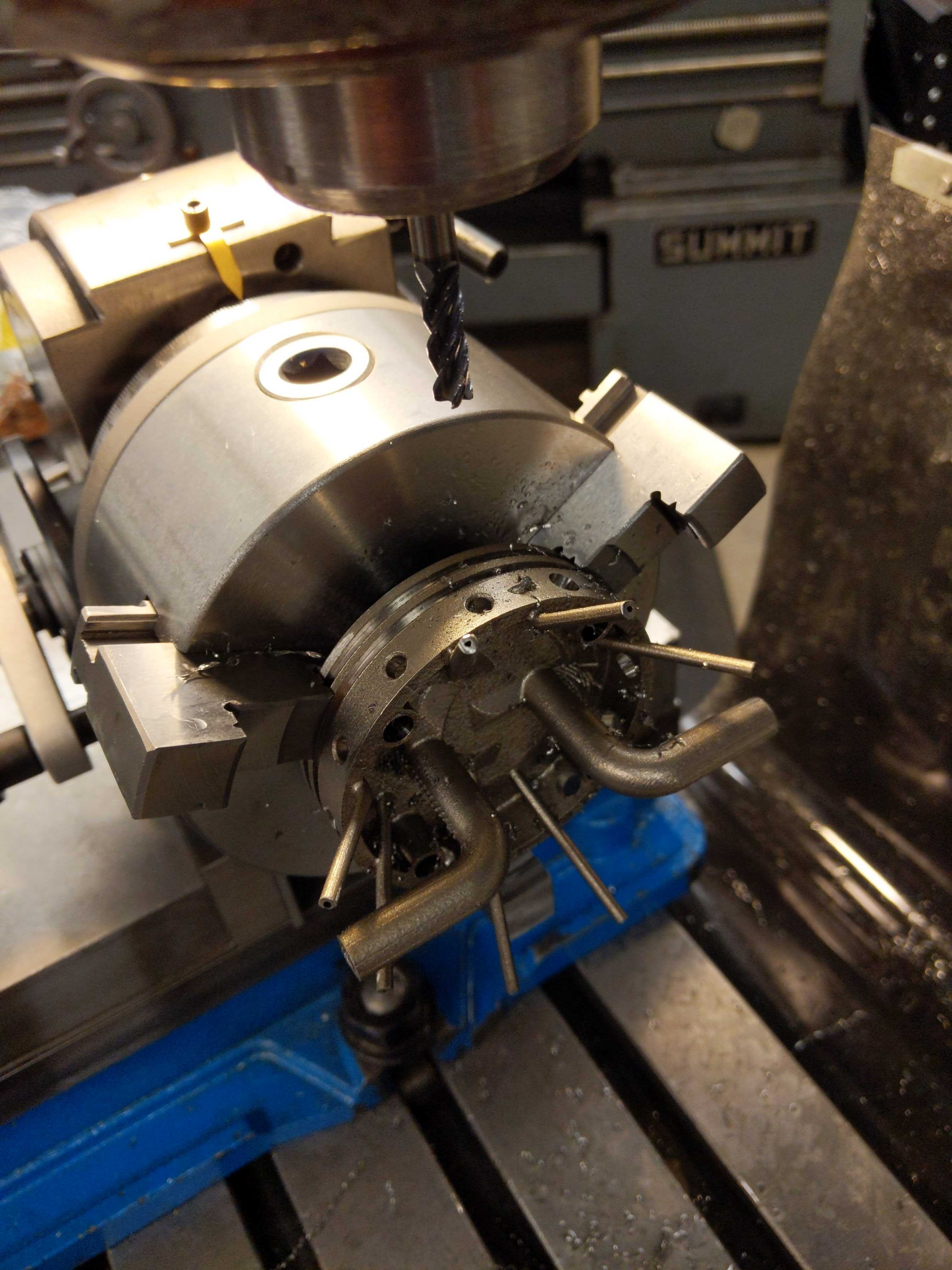
Supported injector and engine design activities plate manufacturing & fit-up with the nozzle, CAD reviews, and water-flow visualization to assess spray patterning and symmetry.
Let's Connect
I'd be happy to discuss my experience in more detail or explore potential career opportunities.